Family Life in Panama: Traditions, Parenting, and Everyday Relationships

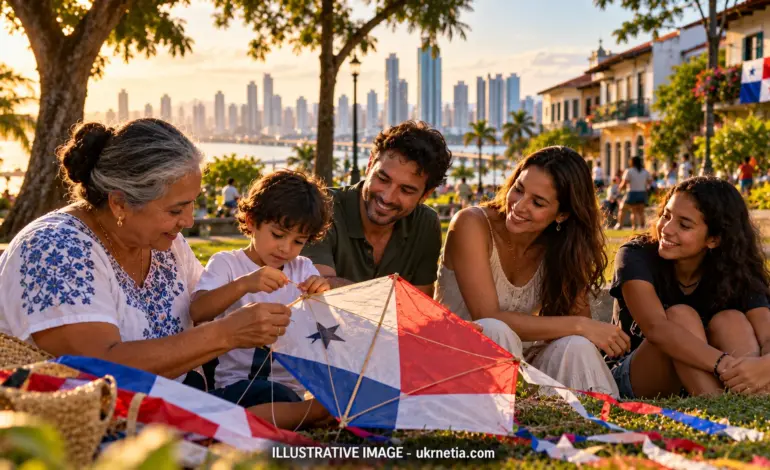
Family plays an important role in everyday life in Panama, shaping social gatherings, celebrations, childcare, and relationships between generations. Yet there is no single model of a Panamanian family. Household arrangements and family traditions vary between urban and rural communities, across generations, and among the country’s diverse cultural groups. For foreigners moving to Panama, understanding these relationships can offer a more realistic picture of local life than tourist attractions or relocation guides alone.
The Role of Family in Panamanian Society
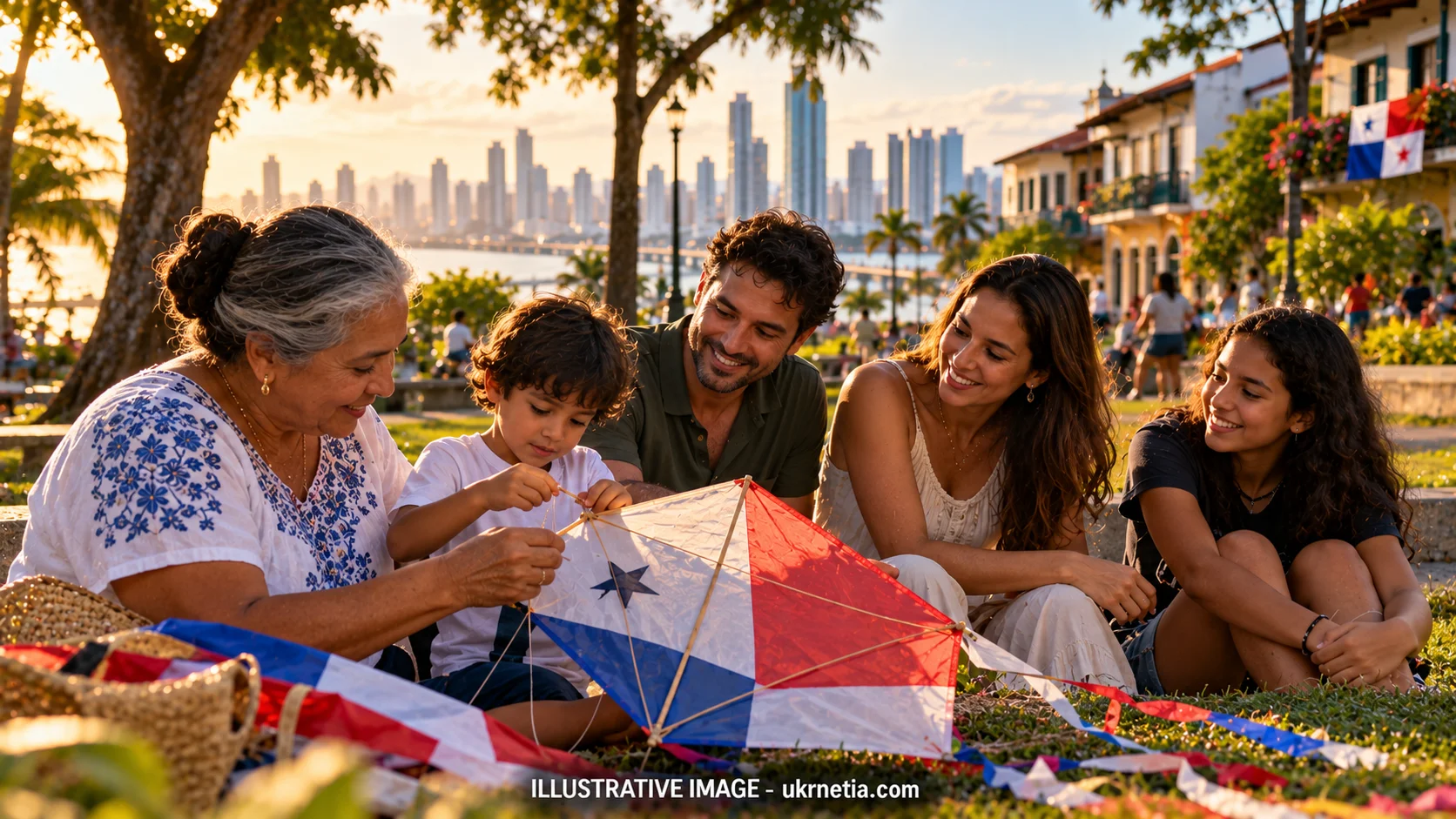
In Panama, family often extends beyond the people living under one roof. Grandparents, adult siblings, aunts, uncles, cousins, and other relatives may remain involved in one another’s lives through regular visits, shared meals, childcare, celebrations, and practical support.
For some families, this involvement is part of everyday routine. Relatives may live in the same neighborhood, help look after children, share responsibilities when someone is ill, or gather regularly for birthdays and holidays. In other households, relatives may live far apart and maintain their connections through phone calls, messaging, and occasional visits.
Family relationships can also provide an important social network during major life changes, including starting a job, raising children, buying a home, or caring for an older relative.
However, it would be misleading to suggest that every Panamanian family follows the same pattern. Some households are closely connected to extended relatives, while others place greater emphasis on independence and privacy. Work schedules, income, housing costs, migration, and personal preferences all influence how family life works in practice.
What Does a Typical Panamanian Family Look Like?
There is no single household structure that represents all of Panama.
Some households consist of two parents and their children. Others are headed by one parent, include grandparents, or bring together several generations. Blended families, couples without children, single-person households, and families whose members live in different countries are also part of contemporary Panamanian society.
The country’s official statistics reflect this variety. Panama’s National Institute of Statistics and Census (INEC) publishes household and housing data from the 2023 census, including information about the people living in occupied homes and household characteristics. Its data can be explored through the official 2023 census results.
Household arrangements also differ by location. In Panama City, some families live in apartments close to schools and workplaces, while others live in suburban houses or communities where relatives reside nearby. In smaller towns and rural areas, family networks may be closely connected to local community life, although individual circumstances vary widely.
For anyone researching family life in Panama, the important distinction is between a cultural pattern and a universal rule. Extended-family relationships can be significant without every relative living together or participating equally in daily decisions.
Grandparents and Extended Family
Grandparents can play an important role in family life, particularly when parents work and need help with childcare. In some households, grandparents provide daily support, collect children from school, prepare meals, or help maintain family routines.
Aunts, uncles, and adult siblings may also contribute. The arrangement can work in both directions: relatives who receive help at one stage of life may later support older family members or assist another household when circumstances change.
This kind of support can make a practical difference for working parents, especially where formal childcare is expensive or difficult to coordinate with work schedules. It may also help children maintain close relationships with relatives beyond their immediate household.
Nevertheless, the role of grandparents should not be romanticized as an obligation shared by every family. Some older adults remain employed, live independently, or have their own care needs. Others live in another province or abroad.
For foreigners who move to Panama with children, it is useful to recognize that a local family may rely on a broader network of trusted relatives than the newcomer is accustomed to. It is equally important to ask rather than assume how that particular family organizes childcare and responsibilities.
Parenting and Raising Children in Panama
Parenting in Panama is influenced by family circumstances, educational choices, religious beliefs, neighborhood conditions, and generational differences.
Many parents combine household responsibilities with formal schooling, extracurricular activities, and time spent with relatives. Children may attend public or private schools, bilingual institutions, or schools serving particular communities. The family’s location, budget, language preferences, and educational goals all affect the choice.
The Importance of Family Support
Relatives may help with school runs, after-school care, meals, and supervision. Where several generations live close together, children can develop relationships with grandparents and cousins through frequent contact rather than occasional visits.
For parents who do not have nearby relatives, arrangements may look quite different. They may depend on paid childcare, school schedules, after-school programs, or support from friends and neighbors.
Discipline and Independence
Expectations about discipline, children’s independence, screen time, household responsibilities, and acceptable behavior vary between families. Differences can be especially noticeable between generations or between parents raised in different countries.
Foreign parents should avoid assuming that one approach represents all Panamanian households. If a child is spending time with local relatives or friends, it is better to discuss practical expectations directly, including supervision, meals, transport, and rules about visiting other homes.
Choosing Schools
Education is often a major consideration for families relocating to Panama. Parents may compare public and private schools, Spanish-language and bilingual education, international curricula, transport options, and the distance between home and school.
The choice can affect the rhythm of family life. A school located far from home may mean more time in traffic, while a nearby school can make it easier to coordinate activities and family responsibilities.
Families should research individual schools rather than assuming that all schools in a particular area offer the same quality, language instruction, or extracurricular opportunities.
Marriage, Partnerships, and Changing Family Structures
Marriage remains an important institution in Panama, but family life is not limited to legally married couples. Households may include married partners, unmarried couples, single parents, divorced adults, and blended families.
The country’s official vital statistics track marriages and divorces and provide information by province, age, nationality, and other characteristics. INEC’s 2024 marriage and divorce statistics offer a useful source for examining changes in formal unions over time.
These statistics describe registered events; they do not capture every dimension of family life, including unmarried partnerships, informal caregiving, or the emotional relationships between relatives.
As in other countries, views on marriage, living together before marriage, divorce, and having children can differ between generations and social environments. Some people follow traditional expectations, while others choose arrangements that better reflect their personal circumstances.
Foreigners dating or forming relationships in Panama should therefore avoid treating nationality as a reliable guide to someone’s expectations. Questions about marriage, children, finances, religion, and extended-family involvement are best discussed with the individual partner.
Family Celebrations and Shared Meals
Celebrations provide opportunities for relatives to maintain relationships and bring together people who may not see one another regularly.
Birthdays, weddings, religious holidays, graduations, and other milestones can involve extended family members, friends, and neighbors. The size and style of a gathering depend on the household, its budget, the occasion, and local customs.
Food often has a central place at family events. A meal can be a way to welcome guests, mark a special occasion, or simply spend time together. Traditional Panamanian dishes may appear alongside recipes brought by relatives from other countries or adapted to changing tastes.
Some families prefer large gatherings with many relatives, while others celebrate in a smaller setting. There is no single schedule or format that applies nationwide.
Christmas and Other Holidays
Christmas is an important celebration for many Panamanian families, particularly those who observe Christian traditions. Family meals, visits, decorations, and time with relatives may form part of the holiday.
Other religious and national holidays can also bring people together. Panama’s multicultural population means that traditions differ across households, including among Catholic, Protestant, Jewish, Muslim, Indigenous, and other communities.
The best way to understand a family’s holiday traditions is to ask what the occasion means to them. A custom that is central to one household may be less important to another.
Religion and Family Life
Religion can influence family traditions, celebrations, marriage, and the upbringing of children. Christian denominations have a visible presence in Panama, and some families organize important milestones around religious institutions.
For example, baptism, religious education, church attendance, or a church wedding may be significant in certain households. Religious beliefs can also shape expectations about relationships and family responsibilities.
However, Panama is not culturally uniform. Levels of religious participation vary, and many people make personal decisions that differ from those of their relatives or community.
Foreign residents should approach religious customs with curiosity and respect rather than assuming that a Panamanian family shares a particular belief. If religion is important to a household, asking about its traditions can help newcomers understand which events and practices matter most.
Gender Roles and Household Responsibilities
Expectations about gender and domestic responsibilities differ considerably among Panamanian families.
In some households, traditional divisions of work remain influential. In others, partners share childcare, household tasks, and financial responsibilities more equally. Employment patterns, income, access to childcare, personal beliefs, and generational attitudes all affect how responsibilities are distributed.
Women may balance paid employment with a substantial share of household and caregiving work, while men may take on increasingly active roles in childcare and domestic life. These broad observations should not be treated as a description of every couple.
When forming a household with a Panamanian partner, foreigners should discuss practical expectations instead of relying on cultural stereotypes. Conversations about work, money, childcare, care for older relatives, and household duties are relevant regardless of nationality.
How Urban and Rural Family Life Can Differ
Family relationships are shaped partly by where people live and how they organize work, education, and transport.
Panama City and Its Metropolitan Area
In the capital and surrounding urban areas, families may have to coordinate work schedules, school transport, traffic, and housing costs. Some households live near relatives, while others are separated by long commutes or work arrangements.
Apartment living can limit the space available for large gatherings, although families may meet in restaurants, parks, homes, or community venues. Access to private schools, shopping centers, healthcare, and recreational facilities also influences daily routines.
Urban life is not necessarily less family-oriented; it simply creates different practical constraints.
Smaller Towns and Rural Communities
In smaller towns and rural areas, family members may have long-standing ties to the same community. Relatives may live within easier reach of one another, and social relationships can overlap with local work, religious institutions, and community activities.
But these settings are diverse too. Some households have limited access to transport or services, and young adults may move to larger cities for education and employment.
Indigenous communities and Afro-Panamanian communities also have their own histories, languages, customs, and social structures. They should not be treated as interchangeable or reduced to a single national family model.
For a more accurate picture of the country, consider how local history, economic circumstances, and community identity shape family relationships in each place.
What Is Family Life Like for Foreigners Living in Panama?
Moving abroad can change how people build and maintain a support network. Foreign residents who do not have relatives in Panama may need to create new relationships through school communities, work, neighborhood activities, religious organizations, clubs, and friendships.
Panama’s international population means that newcomers can encounter people with different languages and backgrounds. The experience varies, however, depending on where they settle, whether they speak Spanish, their work situation, and how long they plan to stay.
An international school community, for example, may offer opportunities to meet other parents, while a smaller town may provide a different route to social connection through local events or recurring activities.
A 2025 InterNations Expat Insider report on Panama found that surveyed expatriates rated the country highly for finding friends and social life. Such survey results reflect the experiences of respondents rather than guaranteeing that every newcomer will have the same experience.
Building Relationships With Local Families
If you are invited to a family gathering, ask whether you should bring anything and whether there is a particular time to arrive. A small contribution, such as food or a drink, may be appreciated, but the best choice depends on the invitation and the host.
Be polite when meeting older relatives, show interest in the family’s traditions, and follow the host’s lead on greetings and other social customs. A few Spanish phrases can also help you participate more comfortably, even if the family speaks some English.
Above all, let relationships develop naturally. Being friendly does not mean that every person wants to discuss private matters immediately, and an invitation should not be treated as an entitlement to become involved in every aspect of family life.
Supporting Older Relatives
As in many countries, some Panamanian families coordinate support for older relatives through a combination of family assistance, independent living, paid care, and medical services.
Adult children may help parents with appointments, transport, shopping, or financial matters. In other cases, older people remain independent and organize their own routines, with family members providing occasional assistance.
The right arrangement depends on health, finances, housing, proximity, and personal preferences. Not every older adult lives with their children, and not every family has the resources to provide daily care.
For foreigners planning to retire in Panama, it is worth considering both their own future support needs and the practicalities of staying connected with relatives abroad. Access to healthcare, transport, and reliable social networks can become increasingly important over time.
Common Misunderstandings About Panamanian Families
Several assumptions can give newcomers an incomplete picture of family life in Panama.
Assuming everyone lives with extended family. Some households are multigenerational, but others consist of individuals, couples, or parents and children living independently.
Expecting every family to follow traditional gender roles. Attitudes vary by generation, household, community, and personal belief.
Treating marriage as the only form of family. Families can include unmarried couples, single parents, blended households, and other arrangements.
Assuming all communities share the same customs. Panama’s cultural and regional diversity means that family traditions differ.
Expecting instant closeness. A warm social environment does not mean that everyone immediately welcomes strangers into private family matters. Trust develops through individual relationships.
Confusing cultural tendencies with personal expectations. General knowledge about family life can help you ask better questions, but it cannot replace communication with the people you know.
Getting to Know Panama Through Its Families
Family life in Panama is best understood through the interaction of close relationships, practical support, local traditions, and changing social expectations. Extended relatives can play a meaningful role in childcare and celebrations, while marriage, parenting, household responsibilities, and relationships with older family members differ from one home to another.
For foreign residents, learning about these patterns can make everyday interactions easier and help them build more meaningful connections. The most useful approach is to stay curious, avoid stereotypes, and allow individual families to explain their own customs.
A country’s family culture is not just a set of traditions to observe. It is also the ordinary, personal work of caring for one another, negotiating responsibilities, and maintaining relationships as life changes.