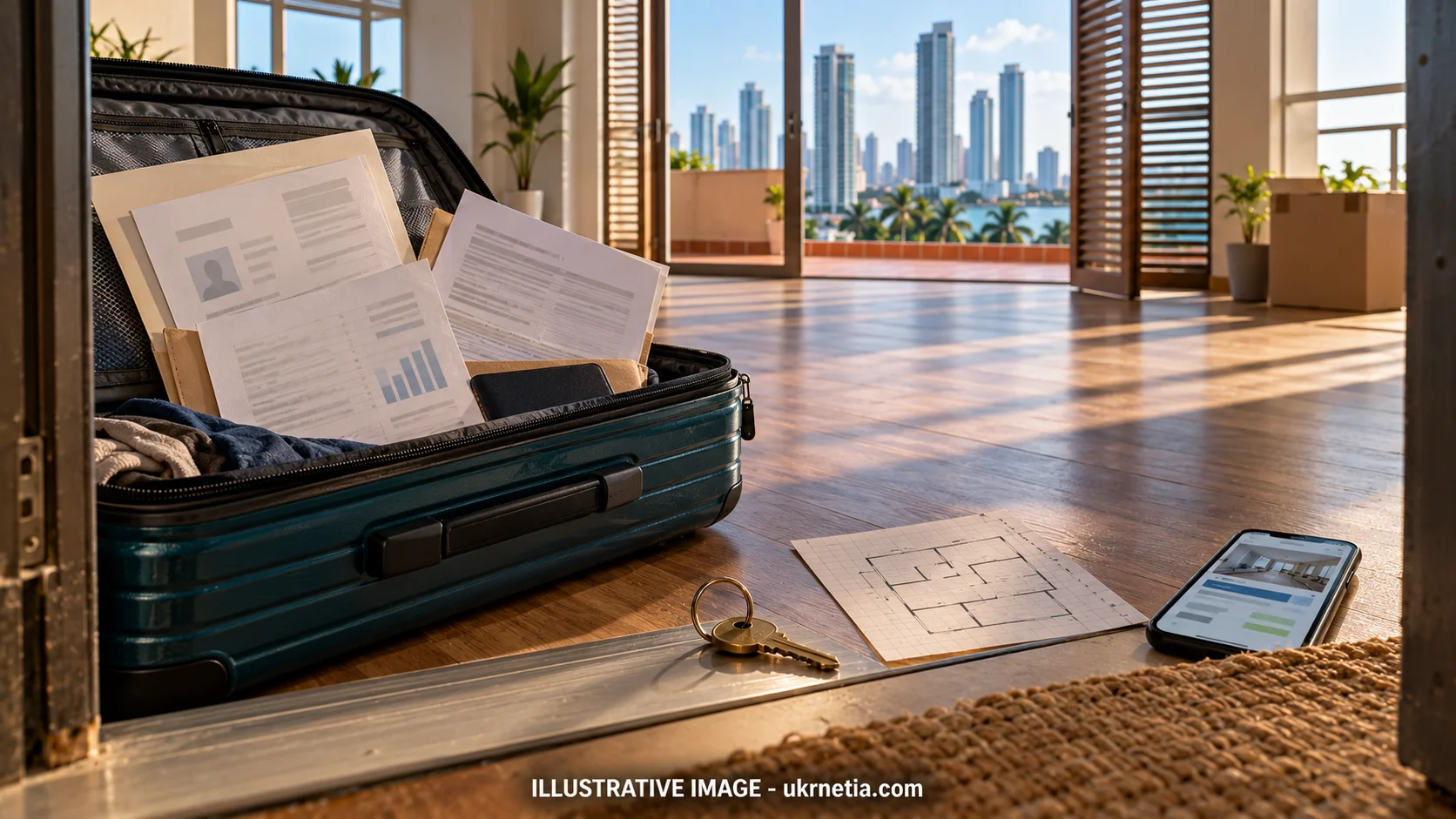
What Is Included in Apartment Rent in Panama City?

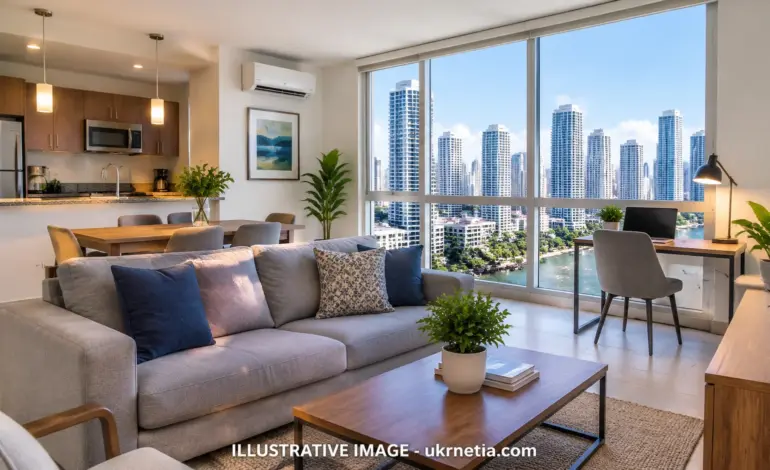
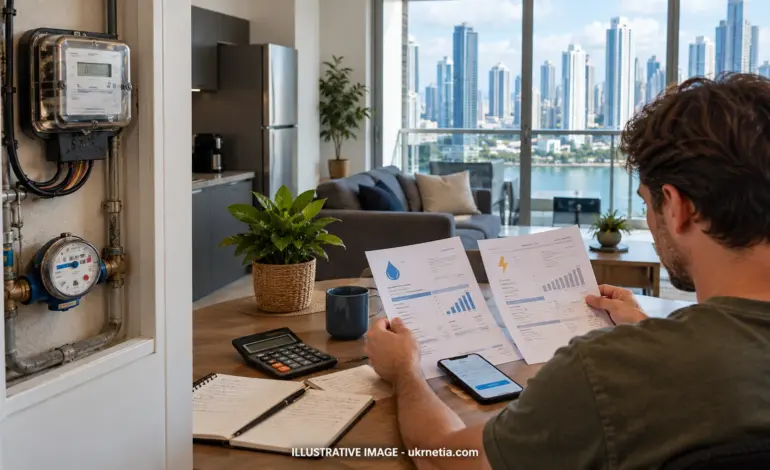
Apartment rent in Panama City usually covers the right to live in the property, but it does not automatically include electricity, internet, parking, or every building service. Water, gas, condominium maintenance, furniture, and shared amenities may be included or charged separately, depending on the apartment and the lease. The safest way to estimate your housing costs is to confirm every inclusion in writing before signing.
Imagine finding two apartments in Panama City advertised for $1,200 per month. One includes water, gas, building maintenance, parking, and internet. The other includes only the apartment and access to the building. If you work from home and use air conditioning every night, the difference between the two arrangements could become significant over a year.
This is why understanding what is included in apartment rent in Panama City matters as much as comparing advertised prices.
Panama has a diverse rental market, from unfurnished apartments in older residential buildings to furnished units in high-rise towers with swimming pools, gyms, security personnel, and panoramic city views. Rental arrangements vary according to the property, the landlord, the length of the tenancy, and the terms negotiated.
Current listings illustrate this variety. For example, an advertised furnished apartment in Punta Pacifica has been listed at $2,400 per month with air conditioning, two parking spaces, and access to shared amenities. Other listings specify which utilities are included and which remain the tenant’s responsibility. These are individual asking prices and arrangements, not a universal market standard. See the Punta Pacifica listing on InmoPanama.
For anyone relocating to Panama, the objective should be to calculate the total monthly housing cost, rather than relying on the rent shown in an advertisement.
What Is Usually Included in Apartment Rent?
In Panama City, the monthly rent generally pays for the tenant’s agreed use of the apartment. Other inclusions depend on the rental agreement.
A useful starting point is to separate the apartment itself, the building’s shared facilities, and the services consumed inside the apartment.
| Item | Typical arrangement | What to confirm |
|---|---|---|
| Use of the apartment | Included | Exact unit, rental period, and permitted occupancy |
| Building access | Usually available to the tenant | Access cards, keys, entry procedures, and restrictions |
| Security or reception | Available in buildings that provide these services | Whether access is included and what hours or services apply |
| Swimming pool and gym | May be available in buildings with these amenities | Whether tenants can use them without extra charges |
| Furniture and appliances | Depends on whether the apartment is furnished | Exact inventory and condition |
| Condominium maintenance fee | Often paid by the owner, but arrangements vary | Whether it is included in the advertised rent or passed on separately |
| Water | May be included | Who pays the bill and how any separate charge is calculated |
| Electricity | Frequently billed separately in ordinary rentals | Metering, account responsibility, and previous bills |
| Internet | Included in some furnished or serviced rentals | Active subscription, speed, provider, and contract terms |
| Parking | May be included | Number of assigned spaces and any additional charge |
The distinction between access and payment is important. An apartment building might have a swimming pool, gym, or rooftop terrace, but that does not mean every associated service is included in the rent. Some facilities may have operating rules, maintenance closures, or additional charges.
Likewise, a property described as furnished might contain the main furniture and appliances without including kitchenware, bedding, towels, or small household equipment.
The lease should specify what the landlord is providing and which recurring expenses the tenant must pay.
Electricity, Water, and Gas
Utilities are among the most important variables when calculating the actual cost of renting in Panama City.
The city has a tropical climate, and air conditioning can substantially influence household electricity consumption. Water and cooking gas may be handled differently depending on the building and the landlord’s arrangements.
Electricity: Often the Biggest Variable
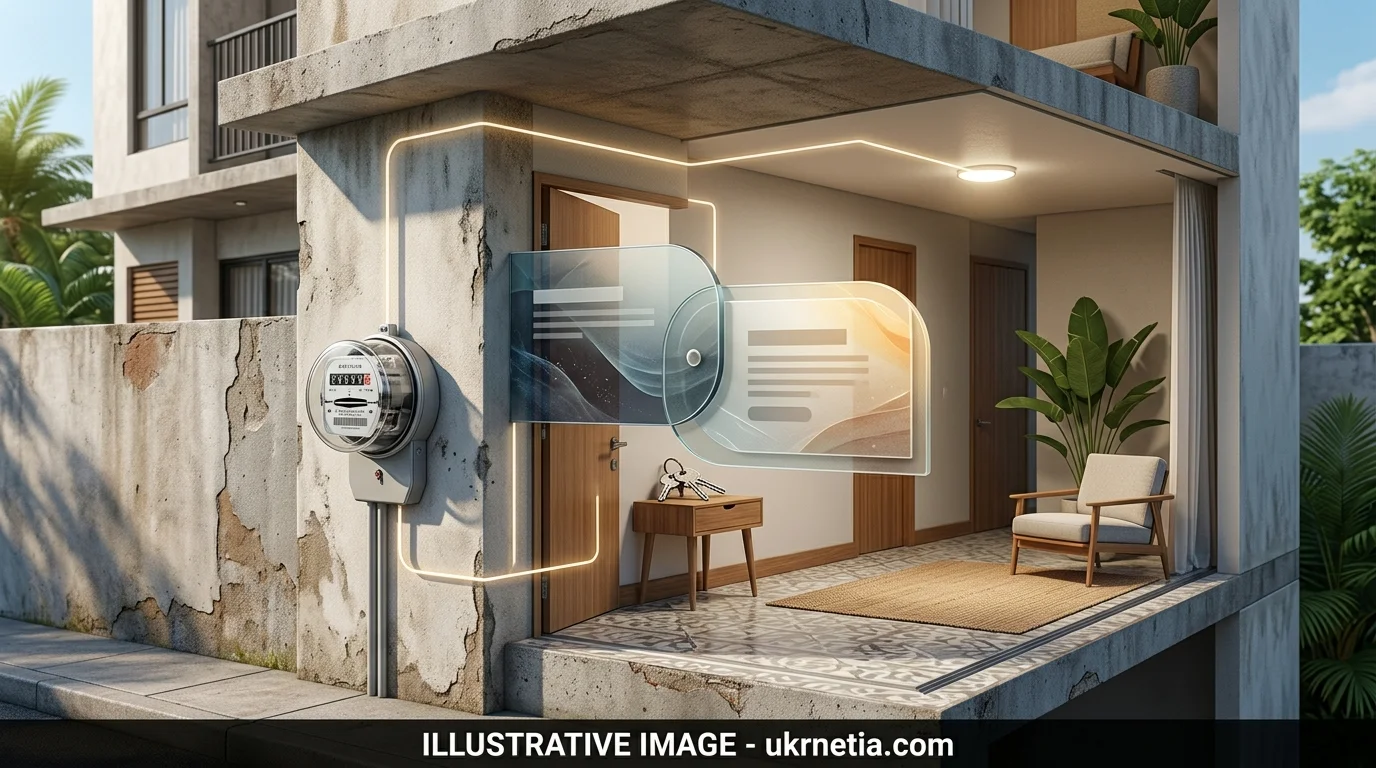
Electricity is frequently charged separately from rent in conventional residential leases.
Panama City properties are served by electricity distributors according to their service areas. These include ENSA and Naturgy, among others serving different parts of the country. Tenants should identify the distributor serving their particular address rather than assuming they can choose between providers.
Both companies publish electricity tariff information. ENSA’s official tariff page, for example, lists the applicable residential tariff schedules and their effective periods. Because tariffs and regulatory adjustments can change, use the current schedule when estimating a bill rather than relying on an old online example. ENSA electricity tariffs.
The amount a tenant pays depends on actual consumption, the applicable tariff, and the charges shown on the bill. The number of air-conditioning units, their efficiency, the apartment’s exposure to sunlight, and the hours they operate can all affect consumption.
A small apartment with one efficient air-conditioning unit may have a very different electricity bill from a large apartment with several units running throughout the day and night.
Before signing, ask the landlord or property manager:
- Is the apartment individually metered?
- Will the electricity account be transferred to the tenant?
- Can the landlord provide recent electricity bills?
- How many air-conditioning units are installed?
- Are the units relatively new and in good working condition?
- Is electricity included in the rent up to a specified allowance?
- If electricity is included, how is excess consumption calculated?
If the apartment is furnished and the air conditioning is already installed, inspect the equipment before accepting the inventory. A low advertised rent can become less attractive if the air-conditioning units are inefficient or poorly maintained.
For short-term rentals, electricity may be bundled into the price. Some agreements nevertheless impose a consumption limit or deduct electricity charges from a deposit. Obtain the exact terms before paying.
Water and Sewer Charges
Water may be included in the monthly rent, paid by the landlord, or charged separately according to the arrangement for the property.
Do not assume that water is always free to the tenant simply because the landlord pays the building’s bill.
In some apartment buildings, water costs may be handled through the property’s common expenses. In others, the landlord may pass on a documented charge or use an individual meter where available.
Ask whether the quoted rent includes water and sewer services, whether the building has individual meters, and how any additional charge is calculated.
If water is billed collectively, establish whether the landlord charges a fixed amount or allocates an actual bill. The method should be written into the agreement.
The same principle applies to unusual charges, such as water delivery during service interruptions. These are not necessarily part of ordinary rent and should be discussed if they are relevant to the building.
Cooking Gas
Cooking arrangements vary between apartments.
Some units use piped gas, others rely on gas cylinders, and some use electric cooktops. The system installed in the property determines what the tenant may need to pay.
If gas is supplied through cylinders, ask who purchases replacements, whether a cylinder is provided at move-in, and whether any delivery charge applies.
If the building has a shared or piped system, ask whether gas consumption is separately metered or included in another charge.
Do not assume that gas is included merely because an apartment has a gas stove.
Internet, Wi-Fi, and Cable Television
For remote workers and digital nomads, internet access is not a minor convenience. It can be an essential requirement for choosing an apartment.
However, three different situations are often confused in rental advertisements:
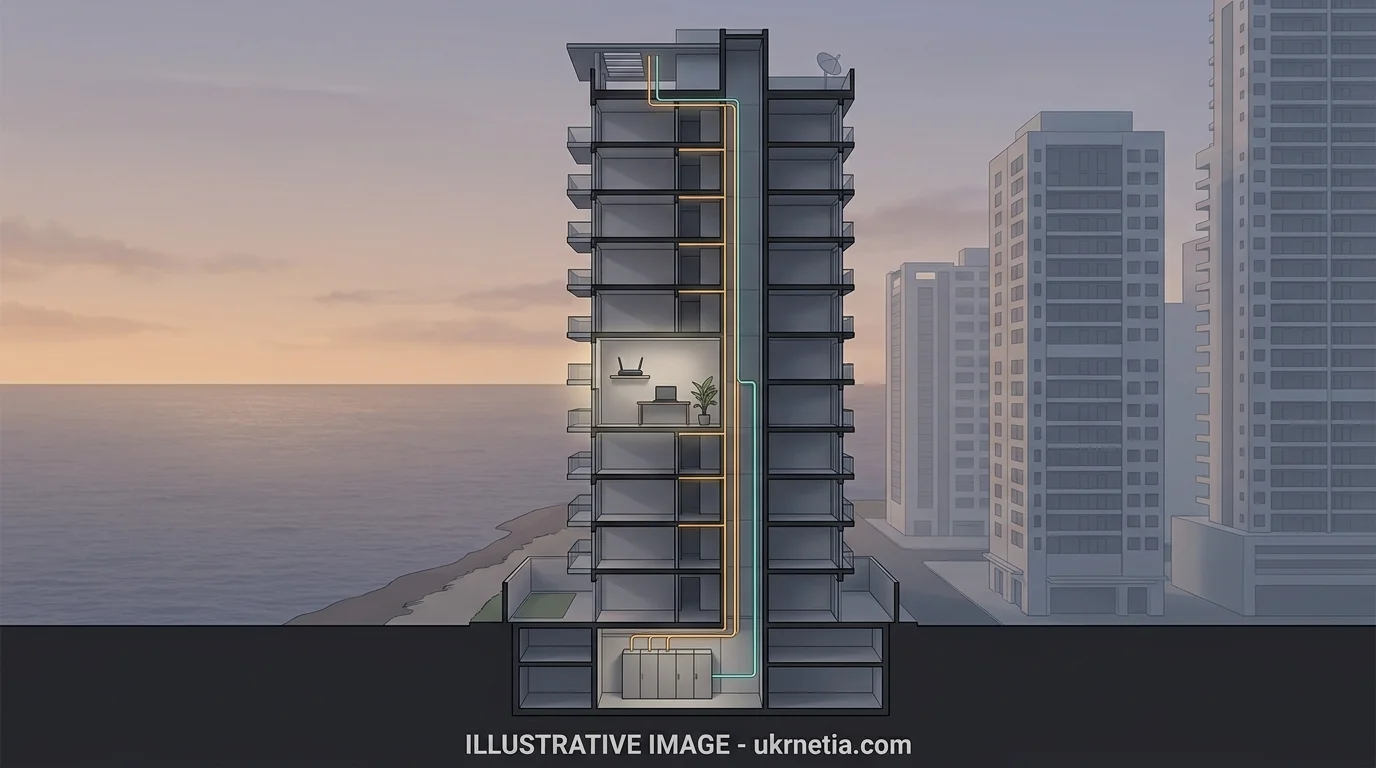
- The building has internet infrastructure.
- The apartment has a router or modem.
- An active internet subscription is included in the rent.
Only the third means that the tenant can use a paid internet service without arranging a separate subscription, subject to the agreement’s terms.
What Does Home Internet Cost in Panama City?
Internet prices depend on the provider, connection type, speed, promotional offers, and the availability of service at the property.
As of October 18, 2026, Tigo Panamá’s residential internet page advertises several packages. Its listed promotional options include a 500 Mbps download plan for B/.33 per month, with a stated regular price of B/.40, and a 750 Mbps plan for B/.40, with a stated regular price of B/.54. The promotion is shown as valid through October 31, 2026, subject to eligibility and coverage. Listed speeds for these packages include up to 15 Mbps upload, and prices exclude applicable taxes. These offers can change and should be checked directly before ordering. Tigo Panamá.
This example illustrates why the headline download speed alone is not enough for a remote worker. Upload speed, connection stability, latency, installation requirements, and the service’s availability at the exact address may matter just as much.
Before renting, confirm:
- Is the internet subscription active?
- Is the monthly fee included in the rent?
- Which provider supplies the connection?
- What download and upload speeds are available?
- Is the service fiber, cable, or another connection type?
- Can you choose your own provider?
- Is installation possible without drilling or building approval?
- Is there a minimum contract period?
- Who pays installation or cancellation fees?
- Is Wi-Fi equipment supplied, and must it be returned?
If internet is included, ask whether the landlord can provide a recent speed test. Ideally, test the connection inside the apartment, not only in the building lobby.
Also establish what happens if the included service fails. A landlord may be responsible for arranging repairs to a bundled service, but the lease should clarify the practical arrangements.
Cable TV and Streaming
Cable television, streaming platforms, and premium subscriptions may be bundled into some furnished apartments or home internet packages. They are not automatically included in ordinary apartment rent.
Even when a service is advertised as included, promotional subscriptions can expire or depend on a particular provider package. Check whether the service is tied to the landlord’s account and whether any additional payment is required after a promotion ends.
If you do not watch cable television, you may prefer a basic internet-only subscription rather than paying for a bundled package yourself.
Building Maintenance Fees and Shared Amenities
Many apartment buildings in Panama City operate as condominiums, commonly referred to as PH, short for propiedad horizontal. Residents may have access to common facilities and services financed through a condominium maintenance fee, often called the cuota de mantenimiento.
Depending on the building, this fee may cover:
- Cleaning and maintenance of shared areas.
- Elevators and common infrastructure.
- Security personnel and access control.
- Swimming pool and gym maintenance.
- Landscaping.
- Lighting in hallways and other shared areas.
- Administration and management of the building.
- Certain common water or electricity expenses.
The precise coverage depends on the condominium’s arrangements and budget.
Does the Tenant Pay the Maintenance Fee?
Often, the property owner pays the condominium fee, and the advertised rent is intended to cover the owner’s cost of providing the apartment. However, tenants should not rely on this assumption without checking the lease.
A listing that says maintenance included is clearer than one that merely advertises a monthly rental price. If the maintenance fee is charged separately, ask for the amount, the payment schedule, and the party responsible for paying it to the condominium administration.
There is also a distinction between ordinary maintenance and extraordinary expenses.
Routine maintenance may cover shared facilities and building operations. Repairs caused by a tenant’s negligence may be handled differently. Major building works or extraordinary condominium assessments may raise separate questions about responsibility under the applicable law and lease.
Panama’s Ministry of Housing and Land Use Planning, MIVIOT, has emphasized the importance of formalizing rental contracts and specifying relevant charges in the agreement. In a September 2026 notice about rental-contract procedures, the ministry discussed the treatment of maintenance, gardening, and property care within the rental arrangement and the importance of including agreed terms in the contract or an annex. MIVIOT’s rental-contract update.
The practical lesson is simple: ask whether the advertised price includes the maintenance fee, and make sure the contract identifies any separate payment that the tenant is expected to make.
What About the Gym, Pool, and Rooftop?
Access to shared amenities can be a significant advantage in modern buildings, particularly for tenants who work remotely or spend considerable time at home.
But verify that the advertised facilities are actually available to tenants. Some buildings have restricted opening hours, temporary closures, booking rules, or additional charges for certain services.
Ask whether the apartment comes with access to all common areas, whether guest access is allowed, and whether any registration or access-card fee applies.
Parking, Storage, Laundry, and Other Facilities
Parking can affect both the convenience and the total cost of renting in Panama City.
An apartment may include one assigned parking space, but additional spaces may cost extra. Visitor parking is not necessarily guaranteed, and storage rooms may be separate from the apartment.
Before signing, confirm:
- Whether parking is included in the rent.
- How many assigned spaces are available.
- Whether the space is fixed or subject to availability.
- Whether visitor parking is available.
- Whether a storage room is included.
- Whether bicycle storage is available.
- Whether laundry facilities are inside the apartment or shared.
- Whether access cards, keys, or remote controls require a refundable deposit or replacement fee.
A washer and dryer inside the apartment are not the same as access to a shared laundry room. Likewise, a building with visitor parking does not necessarily provide a dedicated space for the tenant’s guests.
Ask for these details in writing, especially if the property listing prominently advertises parking or storage.
Furnished vs. Unfurnished Apartments
Furnished apartments can be attractive to foreigners who are moving to Panama for work, study, or a temporary stay. They reduce the need to buy furniture and household equipment immediately.
However, the word furnished is not standardized enough to rely on without an inventory.
What Is Usually Provided in a Furnished Apartment?
A furnished apartment may include:
- Bed and mattress.
- Sofa and living-room furniture.
- Dining table and chairs.
- Wardrobes or closets.
- Refrigerator and cooking appliances.
- Washing machine and, in some units, a dryer.
- Air-conditioning units.
- Curtains and basic lighting.
Other items may or may not be supplied:
- Pots, pans, plates, and cutlery.
- Towels and bed linen.
- Small kitchen appliances.
- Desk and office chair.
- Lamps and additional storage.
- Cleaning equipment.
A partially furnished apartment may include kitchen appliances and air conditioning but no beds, sofa, or dining furniture. In local property descriptions, you may also encounter línea blanca, a term generally used for major household appliances rather than a fully furnished home.
Before moving in, request a written inventory listing the supplied furniture, appliances, and their condition. Photograph existing damage and record any missing items.
The inventory protects both parties. It helps establish what was provided at the beginning of the tenancy and reduces the risk of disagreements when the apartment is returned.
Is a Furnished Apartment More Expensive?
It may be, but there is no single premium that applies to every property.
The difference depends on location, apartment size, furniture quality, building facilities, rental duration, and whether utilities or services are bundled into the price.
Compare equivalent apartments rather than assuming that the furnished option is always more expensive or always better value.
For a short stay, avoiding furniture purchases and installation arrangements may make a furnished apartment worthwhile. For a longer tenancy, an unfurnished apartment may offer better value if you already own furniture or are willing to equip the property yourself.
Security Deposits, Advance Rent, and Upfront Costs
The advertised monthly rent is only part of the money you may need before moving in.
A landlord may request the first month’s rent, a security deposit, and other payments connected with the contract or move-in arrangements. Utility providers may also require account setup or installation payments.
These expenses should be separated into two categories:
- Recurring expenses: rent, electricity, internet, and any other monthly charges.
- Upfront expenses: security deposit, advance rent, installation fees, and any applicable administrative or contractual payments.
How Does the Rental Deposit Work in Panama?
Panama has a formal legal framework for rental agreements, including Law 93 of October 4, 1973, and subsequent amendments and regulations. The details of how that framework applies can depend on the type of rental contract and any applicable exceptions.
The official Panama Digital service page for residential Type A rental contracts describes a security deposit equivalent to one month’s rent and provides information about the contract-registration procedure. The government also provides procedures for the custody and return of rental deposits.
MIVIOT reiterated in September 2026 that the deposit rules are linked to the applicable rental legislation, including Law 259 of 2021, which amended provisions concerning rental deposits. The ministry has also been working on digitalizing rental-contract procedures. MIVIOT rental information.
Do not assume that every apartment lease follows identical statutory procedures. The official Type A form has specific conditions, and the wider rental framework contains distinctions and exceptions. Before paying a deposit, establish which contract category applies to the property, what registration or deposit-consignment requirements apply, and who is legally responsible for handling the money.
For a contract covered by the applicable deposit-consignment procedure, do not simply transfer the money to an individual because a landlord requests it. Check the current MIVIOT instructions. Its official rental-contract forms page explains that the required documentation should be reviewed before the guarantee deposit is consigned through the designated process.
Is the Deposit Refundable?
A security deposit is not an ordinary monthly expense. It is money held as security under the applicable rental arrangement and legal framework.
MIVIOT provides procedures for returning deposits when the tenancy ends, as well as processes for disputes involving unpaid rent or property damage. The official government service for returning rental deposits to tenants sets out documentation requirements for the refund process.
At move-in, retain the signed lease, deposit receipt, inventory, photographs, and evidence of payments. At move-out, document the apartment’s condition and request a written account of any proposed deductions.
Do not assume that the landlord can automatically keep the entire deposit for ordinary wear and tear. Equally, do not assume that every deduction is prohibited. The contract and applicable law determine the treatment of unpaid amounts and damage.
If the applicable legal rules are unclear, confirm them with MIVIOT or a qualified Panamanian lawyer before paying.
Other Upfront Costs
Depending on the property and agreement, you may also need to budget for:
- Advance rent, if required under the agreement.
- Internet installation or activation.
- Utility account setup or deposits.
- Moving services.
- Building move-in reservations or elevator protection.
- Replacement or refundable deposits for access cards and remotes.
- Furniture, kitchenware, bedding, and cleaning supplies.
Ask for a complete move-in payment breakdown before committing to the apartment. The landlord or agent should distinguish the monthly rent from deposits, prepaid rent, and other fees.
Short-Term Rentals vs. Long-Term Leases
Rental arrangements in Panama City can differ significantly according to duration and service level.
Long-Term Residential Leases
A conventional long-term lease may offer a lower headline monthly price than a furnished apartment rented for a few weeks or months. The tenant may, however, need to arrange electricity, internet, and some other services separately.
Furniture and household equipment may be limited, and the tenant may be responsible for setting up accounts with local providers.
A long-term lease should identify the rent, duration, payment arrangements, utility responsibilities, maintenance obligations, and applicable deposit procedures.
Furnished Apartments for Several Months
A furnished apartment can be convenient for someone relocating to Panama who does not yet know how long they will stay.
Some landlords include water, gas, or internet in the rent. Others charge for these services separately.
Ask whether utilities are included without limits or subject to a monthly allowance. If the landlord pays the bills and then charges the tenant for excess consumption, the agreement should explain how the amount is calculated and what documentation is provided.
Serviced Apartments and Vacation Rentals
Short-term rentals and serviced apartments may bundle several services into one price, including electricity, internet, cleaning, linen changes, and access to amenities.
That can make the price easier to budget, but it does not mean every service is always included.
Cleaning may be scheduled weekly or charged per visit. Electricity may have a consumption limit. A property may offer internet without guaranteeing a particular speed. Some buildings restrict short-term rentals or impose registration requirements.
The best comparison is therefore not simply monthly rent versus monthly rent. Compare the total cost for the same period, including services, deposits, cleaning, and other mandatory payments.
How Rental Arrangements Differ Across Panama City Neighborhoods
Panama City offers a wide range of residential environments, from established urban neighborhoods to newer high-rise developments.
The neighborhood can influence the type of apartment available, but it does not determine which utilities are included.
Punta Pacifica
Punta Pacifica is known for modern high-rise buildings and apartments that may offer views, parking, security, and shared amenities.
A furnished listing can bundle several of these features into one advertised price. For example, an InmoPanama listing for a furnished Punta Pacifica apartment advertises a $2,400 monthly rent, air conditioning, two parking spaces, and access to recreational facilities.
This is an example of one advertised property, not a neighborhood-wide price or a guarantee that utilities are included.
Costa del Este
Costa del Este has many modern residential developments. When comparing apartments, check whether parking, building maintenance, and shared facilities are included in the quoted price.
Also consider the practical cost of transportation if you work in another part of the city.
San Francisco
San Francisco contains a mixture of apartment buildings and residential developments. The age of the building, the condition of the appliances, and the exact rental arrangement can matter as much as the neighborhood name.
An apartment with a lower headline rent may require a separate internet subscription, additional furniture, or more electricity because of its air-conditioning equipment.
Obarrio and Bella Vista
These central areas offer different combinations of residential buildings, access to services, and proximity to workplaces.
When comparing listings, focus on the apartment’s actual specifications: size, furnishing, parking, included services, and the terms of the lease.
El Cangrejo
El Cangrejo is another neighborhood worth considering for tenants who want access to shops, restaurants, and urban services.
Older and newer buildings can differ in amenities and infrastructure. Check the condition of air conditioning, water systems, lifts, and internet connections instead of assuming that every apartment in the neighborhood offers the same standard.
For any neighborhood, use current listings to compare asking prices, and remember that an advertised price is not necessarily the final negotiated rent or the total cost of living there.
What Is Not Usually Included in the Advertised Rent?
The following table is a practical starting point. These are common issues to clarify, not universal rules for every apartment in Panama City.
| Expense | Typical arrangement | What to confirm |
|---|---|---|
| Electricity | Often billed separately | Meter, account holder, recent bills, and any allowance |
| Water and sewer | May be included or charged separately | Metering and responsibility for payment |
| Cooking gas | Depends on the system | Whether gas is piped, cylinder-based, or electric |
| Internet | Often arranged separately in ordinary leases | Active subscription, speed, and installation |
| Cable TV and streaming | May be bundled or separate | Which subscriptions are included and for how long |
| Parking | May be included | Number of spaces and additional charges |
| Cleaning | Usually depends on the rental type | Frequency and price of any service |
| Laundry | Depends on the apartment | Private appliances versus shared facilities |
| Personal contents insurance | Separate unless explicitly bundled | Coverage and policy requirements |
| Moving costs | Usually separate | Building rules and any reservation fees |
| Security deposit | Upfront payment, subject to applicable rules | Amount, handling, documentation, and refund process |
| Advance rent | Depends on the agreement | Amount, period covered, and receipt |
| Damage beyond normal wear and tear | May be the tenant’s responsibility under the lease and law | Inventory, evidence, and applicable deductions |
| Contract or administrative fees | Depend on the agreement and applicable requirements | Exact amount, recipient, and legal basis |
The key is to establish not only whether an expense is included, but also how the amount is determined and who is responsible for paying it.
Worked Examples: Calculating the Real Monthly Cost
The following examples illustrate how to calculate total monthly housing costs. They are planning scenarios, not official averages for Panama City.
The rental figures are illustrative assumptions selected to demonstrate the calculation. Utility amounts are also assumptions, not verified bills for specific apartments. Actual costs depend on consumption, the property’s equipment, the provider, and the lease.
Internet figures use a rounded $40 monthly planning allowance, consistent with the regular price displayed for a Tigo 500 Mbps internet-only package at the time of research. Confirm the current price, taxes, eligibility, and coverage before relying on it. Tigo’s current internet packages.
Example 1: A Small, Unfurnished Apartment
Assume a single tenant rents a modest apartment for $700 per month and uses air conditioning mainly at night.
| Expense | Illustrative monthly cost |
|---|---|
| Advertised rent | $700 |
| Electricity | $70 |
| Water and sewer | $0 |
| Internet | $40 |
| Cooking gas | $10 |
| Parking | $0 |
| Other recurring charges | $0 |
| Estimated monthly total | $820 |
This scenario assumes that water is included, parking is unnecessary, and there are no additional recurring fees. If water is billed separately, or if the tenant needs parking, the total will increase.
The example demonstrates that a $700 apartment may require a monthly housing budget of about $820 even without separate parking charges.
Example 2: A Furnished Apartment for a Remote Worker
Assume a furnished apartment costs $1,200 per month. The tenant works from home, uses air conditioning regularly, and needs a reliable internet connection.
| Expense | Illustrative monthly cost |
|---|---|
| Advertised rent | $1,200 |
| Electricity | $120 |
| Water and sewer | $0 |
| Internet | $40 |
| Cooking gas | $0 |
| Parking | $0 |
| Other recurring charges | $0 |
| Estimated monthly total | $1,360 |
This example assumes water is included, cooking is electric, and the rent includes access to the building’s common areas. The internet is assumed to be paid separately.
If internet and water are included in the rent, the additional monthly cost in this example would fall to $120. If the apartment has inefficient air conditioning or the tenant works from home continuously, electricity could be higher.
Example 3: A Larger Apartment in a Modern Building
Assume a larger furnished apartment costs $2,400 per month. This is the same advertised rental figure shown in the cited Punta Pacifica listing, although the budget below is an illustrative calculation and does not claim to reproduce that property’s actual utility bills or lease terms.
| Expense | Illustrative monthly cost |
|---|---|
| Advertised rent | $2,400 |
| Electricity | $180 |
| Water and sewer | $0 |
| Internet | $40 |
| Cooking gas | $10 |
| Parking | $0 |
| Other recurring charges | $0 |
| Estimated monthly total | $2,630 |
This scenario assumes water, parking, and ordinary building maintenance are covered by the rent, while electricity, internet, and gas are paid separately.
If the apartment’s actual lease includes all utilities, the monthly total could be closer to the advertised rent. If parking, internet, or water is charged separately, the total would be higher.
What Do These Examples Tell Us?
| Apartment scenario | Advertised rent | Estimated monthly total | Difference |
|---|---|---|---|
| Small, unfurnished | $700 | $820 | $120 |
| Furnished, remote worker | $1,200 | $1,360 | $160 |
| Larger modern apartment | $2,400 | $2,630 | $230 |
These examples are not a substitute for actual quotations. Their purpose is to show how apparently small charges can add up.
Before making a decision, replace the assumed figures with actual information from the landlord, recent utility bills, and current provider prices.
Also remember that these totals exclude one-time costs such as a security deposit, furniture purchases, moving services, or internet installation.
Questions to Ask Before Signing a Lease
Use this checklist when viewing an apartment or discussing a rental agreement.
Rent and Building Fees
- Is the quoted rent the complete monthly payment to the landlord?
- Is the condominium maintenance fee included?
- Are any building or administration fees charged separately?
- Are all advertised amenities available to tenants without additional charges?
- Is parking included, and how many spaces are assigned?
- Are there restrictions on visitors, pets, or use of common areas?
Utilities and Internet
- Which utilities are included in the rent?
- Is electricity individually metered?
- Can I see recent electricity bills?
- Who pays for water and sewer services?
- How is cooking gas supplied, and who pays for it?
- Is internet already active?
- What download and upload speeds are available?
- Is the internet subscription included, or must I arrange it myself?
- Are there utility allowances or consumption limits?
Furniture and Maintenance
- Is the apartment fully furnished, partially furnished, or unfurnished?
- Is there a written inventory?
- Are the appliances in working order?
- Who is responsible for routine maintenance and repairs?
- Who arranges repairs if an air-conditioning unit or appliance fails?
- How should existing damage be recorded?
Contract and Upfront Payments
- What is the required security deposit?
- Which legal and administrative procedures apply to this rental?
- How must the deposit be paid and documented?
- Is any advance rent required?
- Are there additional contract or move-in fees?
- What are the conditions for ending the tenancy?
- How is the deposit returned at the end of the lease?
- What evidence is needed if there is a dispute over damage or unpaid bills?
Get the answers in writing and make sure that important promises are reflected in the lease or a signed annex. An informal message may help document the discussion, but it should not replace a properly prepared rental agreement.
How to Know What You Will Really Pay Each Month
The most reliable way to compare apartments in Panama City is to look beyond the advertised rent.
Start with the monthly price, then add electricity, internet, any separately billed water or gas, parking, and other recurring charges. Establish whether building maintenance and shared amenities are covered by the landlord. Finally, calculate upfront payments separately so that you know how much cash you will need before moving in.
For a furnished short-term rental, a higher headline price may include several services and reduce the number of separate bills. For a long-term apartment, a lower advertised rent may be attractive but require more planning and separate arrangements.
Before signing, review the lease carefully, verify the applicable deposit procedure with MIVIOT when necessary, and retain receipts and an inventory of the apartment’s condition.
The best rental deal is not necessarily the apartment with the lowest advertised price. It is the one whose full monthly cost, included services, and contractual obligations are clear before you move in.