What Is Included in a Panama Condo Maintenance Fee?

A Panama condo maintenance fee, usually called the cuota de mantenimiento or cuota de gastos comunes, is your monthly share of the cost of running the building you live in. In most buildings it pays for administration, security, common-area cleaning, elevators, shared utilities, amenities, and the legally required contingency fund. Your apartment’s own electricity, your internet, property tax, repairs inside your unit, and special assessments are usually not included. There is no standard list of inclusions that applies to every condominium in Panama. What your fee covers depends on the building’s approved budget, its bylaws, and how it handles billing. Get written confirmation of the inclusions before you buy.
What the Cuota de Mantenimiento Actually Is
Most apartment buildings in Panama operate under the Régimen de Propiedad Horizontal, the horizontal property regime. This is why building names usually begin with “PH.” The current governing law is Law 284 of February 14, 2022, which replaced Law 31 of 2010. The Ministry of Housing and Territorial Planning (MIVIOT) oversees the regime through its Directorate of Horizontal Property. MIVIOT has said it expects to issue updated implementing regulations for the law.
Law 284 describes the common-expense fee as the amount each owner pays toward administering, maintaining, and operating the common property. That property includes lobbies, corridors, elevators, roofs, structural elements, mechanical systems, and shared amenities. The owners’ assembly approves an annual budget, and that budget is divided among the units to produce each owner’s monthly fee.
Owners can face four kinds of charges, and they should not be confused:
- The regular monthly fee funds the approved operating budget.
- Special assessments (cuotas extraordinarias) are additional contributions for major projects or unexpected costs.
- Unit-specific charges are billed to one owner only, such as late-payment surcharges, fines for rule violations, or fees for a second parking space.
- Variable inclusions are items like water or gas. Some buildings fold them into the fee, while others bill them separately.
What a Maintenance Fee Commonly Covers
Each section below describes what a fee may include. Your building may cover more or less.
Building management and administration
Every PH needs someone to run it. Administration typically covers collecting fees, paying suppliers, keeping the accounts, preparing financial reports for owners, organizing assemblies, sending notices, and hiring and supervising contractors. Some buildings hire a professional management company. Others employ an in-house administrator or rely heavily on a volunteer board of directors. Professional management costs more on paper. In return, it often brings better record-keeping and contractor oversight, which matters a great deal if you own from abroad.
The fee may also pay for accounting software, bank charges on the PH’s accounts, legal fees for collecting from delinquent owners, and occasional technical consultants.
Security and access control
In many Panama City towers, security is the largest single expense in the budget. Depending on the building, it may cover:
- guards on rotating 24-hour shifts
- a reception desk or concierge
- CCTV cameras and their maintenance
- key-card or fob access systems
- vehicle gates and visitor registration
Staffing levels vary enormously. A small building in a quiet residential street may rely on electronic access and a single daytime attendant. A luxury tower may keep several staff on every shift. Don’t assume a building has staffed security just because it is a high-rise. Ask.
Cleaning and upkeep of common areas
This line pays for cleaning lobbies, corridors, stairwells, garages, trash rooms, and amenity areas, plus the supplies those crews use. It may also cover landscaping, care of gardens and planters, and pest control in common areas.
It does not include cleaning inside your apartment. Housekeeping in your unit is your own arrangement and expense.
Elevators and building systems
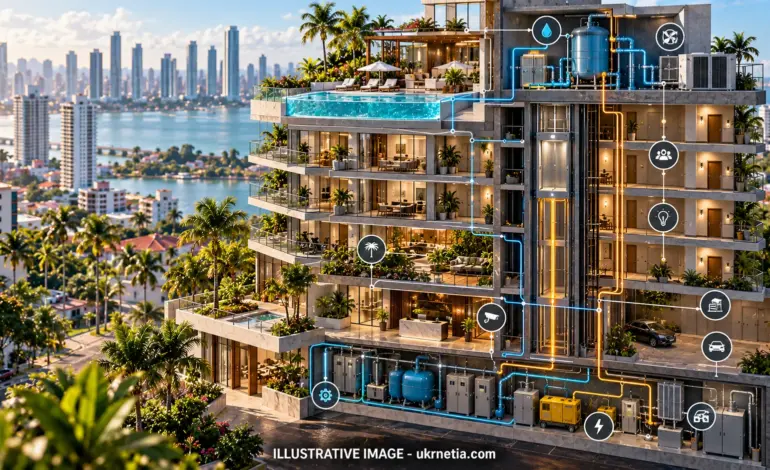
Elevators run under service contracts that cover routine inspections, adjustments, and minor repairs. Beyond elevators, this category typically includes:
- water pumps and pressure systems, which are essential in high-rises
- shared plumbing risers and drainage
- common-area lighting and electrical panels
- backup generators and their fuel and testing
- fire alarms, sprinklers, and emergency lighting where installed
There is an important distinction here. Routine maintenance of this equipment usually fits within the monthly budget. Replacement of a major component, such as an elevator motor, a pump set, or a generator, often does not. Replacements may be paid from reserves or through a special assessment.
Pools, gyms, and recreational facilities
Pool cleaning, water chemistry, filtration and heating equipment, gym machine servicing, and upkeep of party rooms, barbecue areas, playgrounds, and rooftop terraces all come out of the common budget.
More amenities generally mean higher operating costs, but they don’t decide the fee by themselves. A large building can spread an amenity deck across hundreds of units. A boutique tower with a heated pool and only 30 owners cannot.
Shared utilities
The PH pays electricity and water for the parts of the building nobody owns individually. That means lobby air-conditioning, corridor lighting, elevators, pumps, pool equipment, and garden irrigation. In a tower with air-conditioned common areas, this can be a substantial line item.
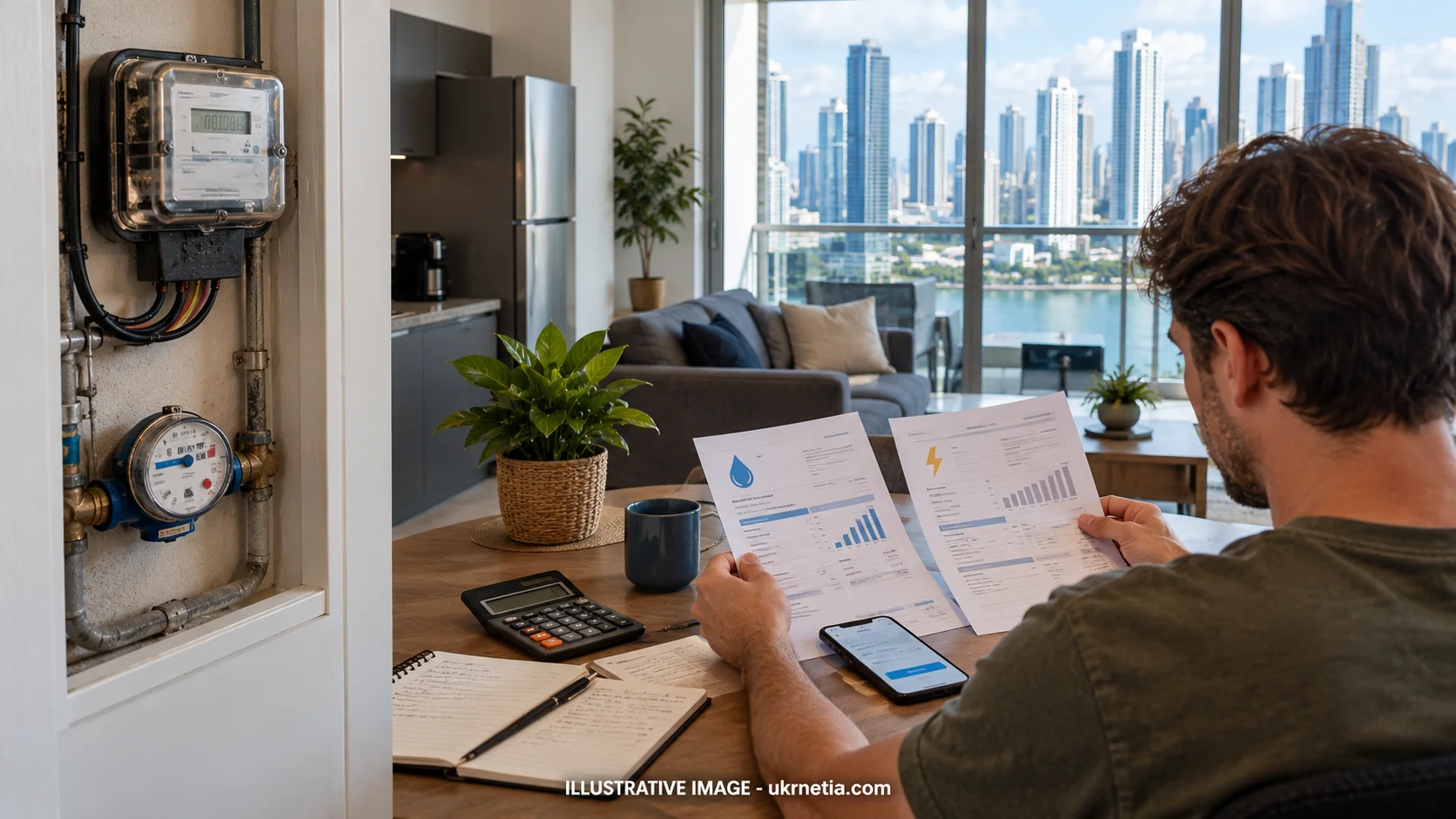
Your apartment’s own consumption is a separate matter, and arrangements differ:
- Electricity for your unit is almost always individually metered and billed directly to you by the distribution company, ENSA or EDEMET, depending on your address.
- Water varies. Under water billing rules published by Panama’s utilities regulator, ASEP, a building may have a master meter, with individual unit meters subtracted from it. Some units have their own account with IDAAN, the national water utility. Others are billed internally by the PH. Some buildings simply include water in the fee.
- Gas for cooking may come from a central building tank, with consumption either included in the fee or billed separately, or from individual cylinders.
For example, a San Francisco apartment in PH Pacific Coast, advertised on the Encuentra24 portal in a listing updated June 14, 2026, states that its $330 monthly fee includes water, garbage collection, and gas. Many other buildings include none of these. Never assume.
Building insurance
Many PHs insure the structure, common areas, and shared equipment through a policy paid from the common budget. Coverage varies widely, especially for earthquake damage. That gap became very concrete after the magnitude 7.5 earthquake that struck southern Panama on October 9, 2026. Panama City was spared serious structural damage, but towers were evacuated as a precaution.
We could not confirm a universal statutory requirement specifying what a Panamanian PH policy must cover. Check the bylaws and ask for the policy itself.
A building policy is not personal insurance. It typically does not protect your furniture, electronics, custom kitchen, upgraded flooring, or your liability if a leak from your unit damages your neighbor’s ceiling. Those require your own home policy from an insurer regulated by the Superintendencia de Seguros y Reaseguros.
Staff and contractor costs
Behind most of the categories above are people: cleaners, maintenance technicians, gardeners, pool technicians, guards, and administrative staff. A PH may employ some of them directly, which brings payroll obligations, or contract them through service companies. Wages, social security contributions, overtime for 24-hour coverage, and contract renewals all feed into the fee. They are a major reason fees tend to rise over time.
Reserve funds and planned maintenance
This is one of the few inclusions that Law 284 actually requires. Every PH must keep a contingency fund (Fondo para Imprevistos). Each year it must receive at least 1% of the PH’s total annual income and common-expense fees. Its purpose is to cover unforeseen obligations and works.
A 1% floor is modest. Well-run buildings often save more, sometimes in separate funds for predictable future work such as repainting the façade every few years or modernizing elevators. Whether your building does so depends on its own budget decisions, not the law. A draft amendment to Law 284 under debate in 2026 (Draft Bill 112) would change how certain extraordinary income is handled. As of this writing it is a proposal, not law.
What Is Usually Not Included
Treat the following as often billed separately, and confirm each one for the specific building:
- Electricity inside your apartment. You pay the distributor directly.
- Water inside your apartment, unless the building explicitly includes it.
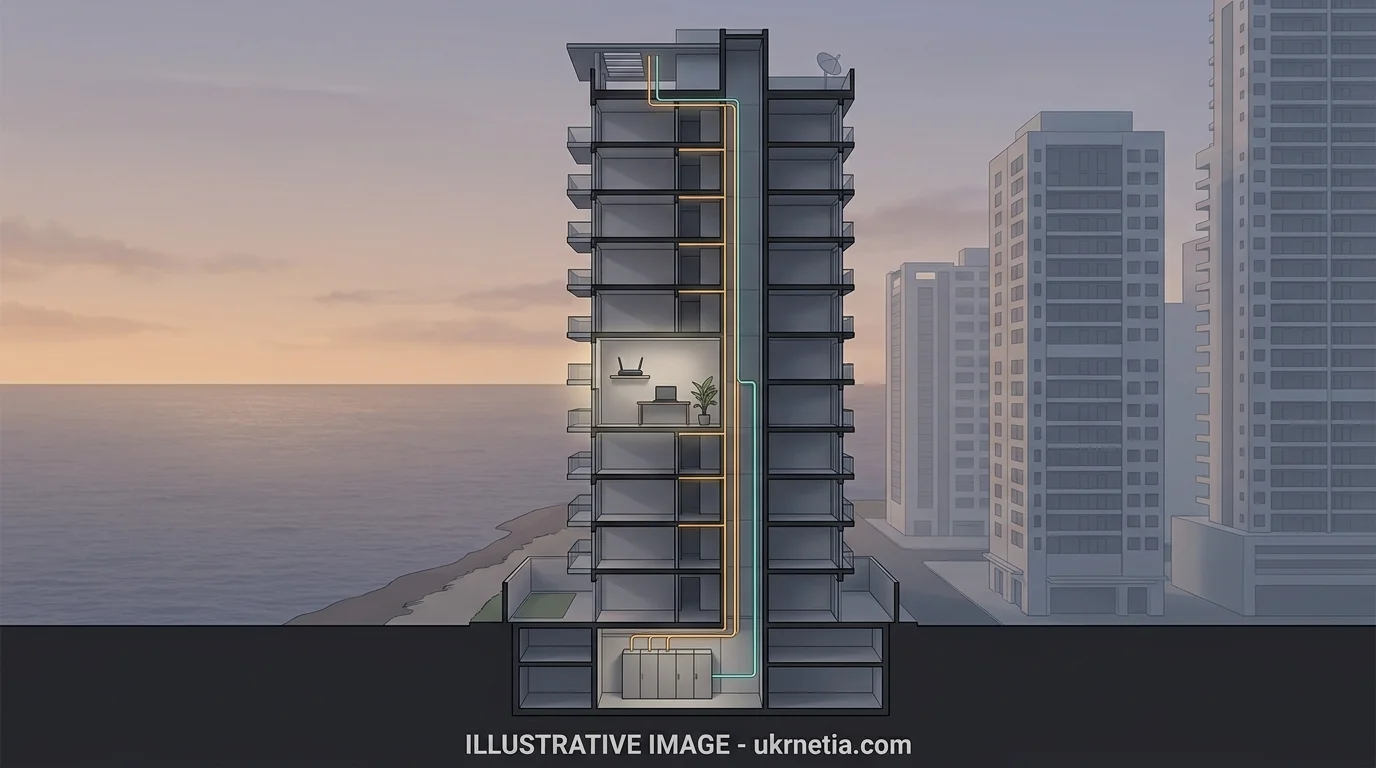
- Internet, cable TV, and phone service. These are personal contracts, although some newer buildings are pre-wired for one provider.
- Housekeeping inside the unit.
- Repairs to your appliances, AC units, water heater, and fixtures. These are private property.
- Renovations and upgrades to your apartment.
- Contents and liability insurance for your unit.
- Property tax. This is a separate annual obligation to the Dirección General de Ingresos (DGI) and has nothing to do with the PH fee.
- Mortgage payments and bank charges.
- Rental management, tenant placement, or short-term rental services.
- Special assessments for major repairs or projects.
- Fines, penalties, and surcharges charged under the bylaws to a specific owner, for example for late payment or for damage caused by a tenant.
Some buildings also charge separately for extra parking spaces, storage units, or reserving the party room. Listings rarely mention these.
Why Fees Vary So Much Between Buildings
Two apartments of similar size can carry very different fees. Here is a sample of listings on the Encuentra24 portal in mid-2026. The dates are those displayed on each listing, and the figures are the sellers’ advertised amounts:
| Listing | Size | Advertised fee | Approx. per m² | Date shown |
|---|---|---|---|---|
| PH Miro, El Cangrejo (rooftop pool, gym) | 126 m² | $223 | $1.77 | July 22, 2026 |
| PH Park City, El Cangrejo | 120 m² | $242 | $2.02 | August 1, 2026 |
| El Cangrejo tower built 2019 (pool, gym, generator, 24-hour security) | 200 m² | $400 | $2.00 | July 8, 2026 |
| PH Legacy, Santa María (concierge, jacuzzi, generator) | 310 m² | $917 | $2.96 | June 15, 2026 |
These are a handful of examples, not a market survey. Listing data also contains errors: several Encuentra24 listings reviewed showed placeholder fees of “$1 per month.” Use listings to frame questions, not to settle them.
The main drivers of the differences:
- Number of units. Fixed costs, such as guards, elevator contracts, and the administrator, are spread across more or fewer owners.
- Age and condition. Older equipment needs more attention. Newer buildings may still be under the developer’s warranty, which Law 284 ties to a 10-year period.
- Technical complexity. The number of elevators, air-conditioned common areas, generators, and pressure systems all add cost.
- Amenities and staffing levels.
- Management model and the terms of contractor agreements.
- Insurance coverage and premiums.
- Reserve policy. Buildings that save more today charge more today.
- Collection rate. When some owners don’t pay, the shortfall effectively falls on everyone else.
A low fee can reflect lean, efficient management. It can also mean a building that is underfunded and putting off repairs. Neither explanation should be assumed. The budget, financial statements, and minutes will tell you which one applies.
How Each Unit’s Share Is Calculated
Under Law 284 as currently in force, apartment buildings generally use the floor area of each unit as the reference for dividing common expenses. In practice, this is often expressed as each unit’s registered participation share in the PH’s founding deed. Owners can adopt a different method if 66% of the units that are current on their payments approve it.
So fees within one building are usually not identical. A 250 m² penthouse typically pays roughly twice what a 125 m² unit pays. Bylaws can create variations, for example for commercial units on the ground floor.
That rule may change. Draft Bill 112 of 2026, endorsed by a legislative committee in August 2026 and reported by La Prensa, would split general services equally among units regardless of size. Those services include administration, security, cleaning, elevators, and pools. The bill still has to pass its debates and faces objections from PH administrators.
For any specific unit, rely on the registered PH documents and the approved budget, not on a general rule.
A Clearly Illustrative Budget
The following is a hypothetical example built on illustrative assumptions. It is not a real building, not a Panama-wide average, and not a prediction of any owner’s fee. It shows how a PH budget might be structured.
Assume a 60-unit tower with a pool, gym, two elevators, and 24-hour security, with an approved operating budget of $15,000 per month:
| Budget category | Monthly amount | Share |
|---|---|---|
| Security and reception staff | $5,250 | 35% |
| Common-area electricity and water | $2,250 | 15% |
| Cleaning and maintenance staff | $1,800 | 12% |
| Elevators, pumps, generator, fire systems | $1,650 | 11% |
| Administration and accounting | $1,500 | 10% |
| Building insurance | $900 | 6% |
| Contingency fund and reserves | $900 | 6% |
| Pool, gym, and social areas | $750 | 5% |
| Total | $15,000 | 100% |
If the building’s private units total 7,500 m² and fees are allocated by floor area, a 120 m² apartment holds a 1.6% share. Its fee would be 1.6% × $15,000 = $240 per month.
The contingency line in this example is well above the legal 1% minimum. That is a deliberate choice by these hypothetical owners, not a legal requirement.
How to Check Exactly What a Fee Covers
Before buying, ask for the following, recognizing that access to some records may depend on the owner’s authorization or the administrator’s procedures:
- the latest approved operating budget
- the current fee for the specific unit, in writing
- the bylaws (reglamento de copropiedad) and any internal rules
- recent financial statements or management reports
- contingency fund and reserve balances
- the building’s arrears level, where it can lawfully be disclosed
- minutes of the last two years of owners’ assemblies
- a written list of utilities and services included in the fee
- plans for elevator, façade, roof, plumbing, generator, or pool work
- confirmation of any approved or proposed special assessments
- payment due dates and late-payment rules
- a clearance certificate (paz y salvo) showing the unit owes nothing to the PH
Questions worth putting directly to the seller, agent, or administrator:
- Does the fee include water, gas, or electricity inside the apartment?
- Is building insurance included? What does it cover, including earthquake damage, and what is the deductible?
- Are there separate charges for parking, storage, or amenities?
- How large is the contingency fund, and does the building save separately for major works?
- Have owners recently approved, or are they discussing, any special assessment?
- Is any major repair planned in the next few years?
- What percentage of owners are behind on payments?
- How often is the fee reviewed, and when did it last rise?
Special Assessments and Unexpected Costs
Paying your monthly fee on time does not protect you from extra contributions. When the regular budget and reserves can’t cover a large expense, owners may be asked for a special assessment. Common triggers include:
- elevator modernization
- façade restoration
- roof waterproofing
- failing plumbing risers
- generator or pump replacement
- structural repairs
- deductibles after an insured event
It helps to separate five kinds of spending: routine operating costs, budgeted preventive maintenance, major capital projects, genuine emergencies, and assessments formally approved under the bylaws and the law. Law 284 bars the board of directors from waiving fees, surcharges, fines, or special assessments. It also lists measures available against owners who fall behind, including suspension of common services other than water.
Whether a particular assessment was validly approved depends on the voting procedure the law and bylaws require. A Panamanian attorney can confirm that.
The best defense is research before you buy. Old equipment, a thin contingency fund, and assembly minutes full of deferred repairs are reliable warning signs.
What This Means for Foreign Owners and Landlords
Total cost of ownership. The fee is often the largest recurring expense after any mortgage. Compare two properties on their full monthly cost: the fee, plus what the fee excludes, plus property tax and insurance. Comparing purchase price alone can mislead you.
Long-term rentals. The fee directly reduces your net rental yield. Most landlords pay it themselves. A tenant is responsible only if the lease clearly says so and the arrangement is valid. Even then, the PH will look to the owner if payments stop.
Short-term rentals. Many buildings restrict or regulate them. Some charge extra fees for tenant registration or amenity use. Check the bylaws before buying with that plan.
Remote ownership. Decide who receives assembly notices, who votes on your behalf by power of attorney, who arranges repairs, and how fees get paid on time. Missed payments bring surcharges and can lead to collection action against the unit.
Nationality has no bearing on the fee. Foreign and Panamanian owners pay under the same allocation rules.
Frequently Asked Questions
1. What is a condo maintenance fee in Panama?
It is the recurring contribution each owner makes toward a PH’s approved budget for running and maintaining the building’s common property, as provided for under Law 284 of 2022.
2. Does a Panama condo maintenance fee include water and electricity?
It covers common-area utilities. Your unit’s electricity is almost always billed to you directly. Unit water varies by building: some include it, many don’t.
3. Does the maintenance fee cover repairs inside my apartment?
Generally no. Your appliances, AC units, fixtures, and finishes are your own responsibility. Whether a leak or wall-pipe failure is private or common depends on its origin and the bylaws.
4. Does it include building insurance?
Often, but not always, and coverage varies. It rarely covers your contents, interior upgrades, or personal liability.
5. Are swimming pools and gyms included in the maintenance fee?
Their upkeep is usually funded by the common budget. Some buildings charge extra for reserving certain spaces.
6. Can a Panama condominium charge special assessments?
Yes, when properly approved under the law and bylaws, usually for major or unexpected expenses the regular budget can’t cover.
7. Can maintenance fees increase?
Yes. The owners’ assembly approves the budget, and fees can rise with wages, energy, insurance, or repair needs.
8. Are maintenance fees the same for every apartment in a building?
Usually not. Under current law, shares are generally based on unit floor area, so larger units pay more unless the owners adopt another method.
9. Do foreign owners pay the same maintenance fees as Panamanian owners?
Yes. The allocation rules apply equally regardless of nationality.
10. What documents should I review before buying a condo in Panama?
The bylaws, approved budget, recent financial statements, assembly minutes, building insurance policy, reserve balances, any assessment resolutions, and a paz y salvo for the unit.
Before You Sign: Get the Inclusions in Writing
A listing’s one-line fee tells you very little. Before closing, ask the administrator for a written statement of the unit’s current fee, exactly what it includes, any approved or pending assessments, and the unit’s payment status. Then have your attorney review it alongside the bylaws. A short document now can prevent years of surprises.